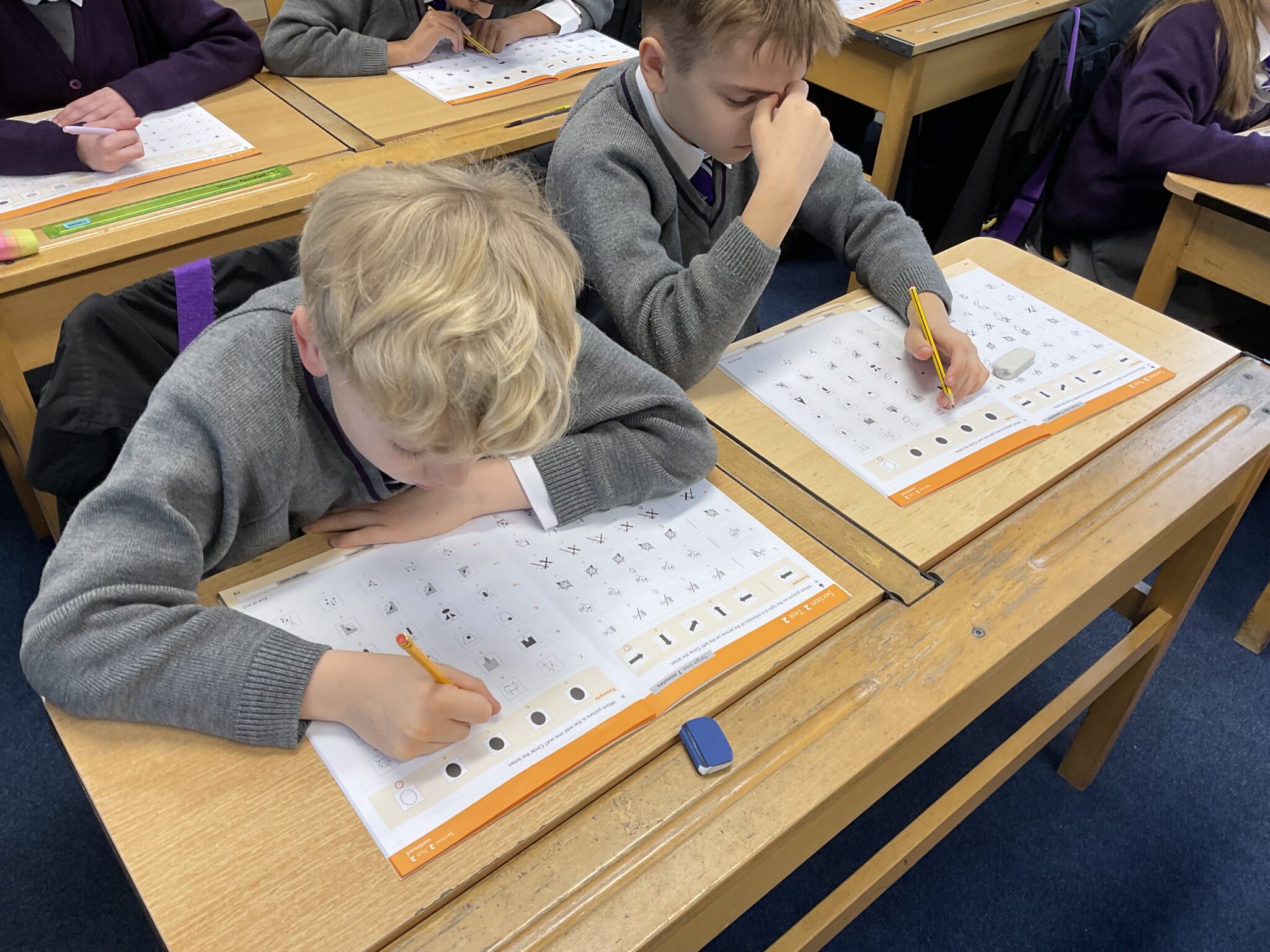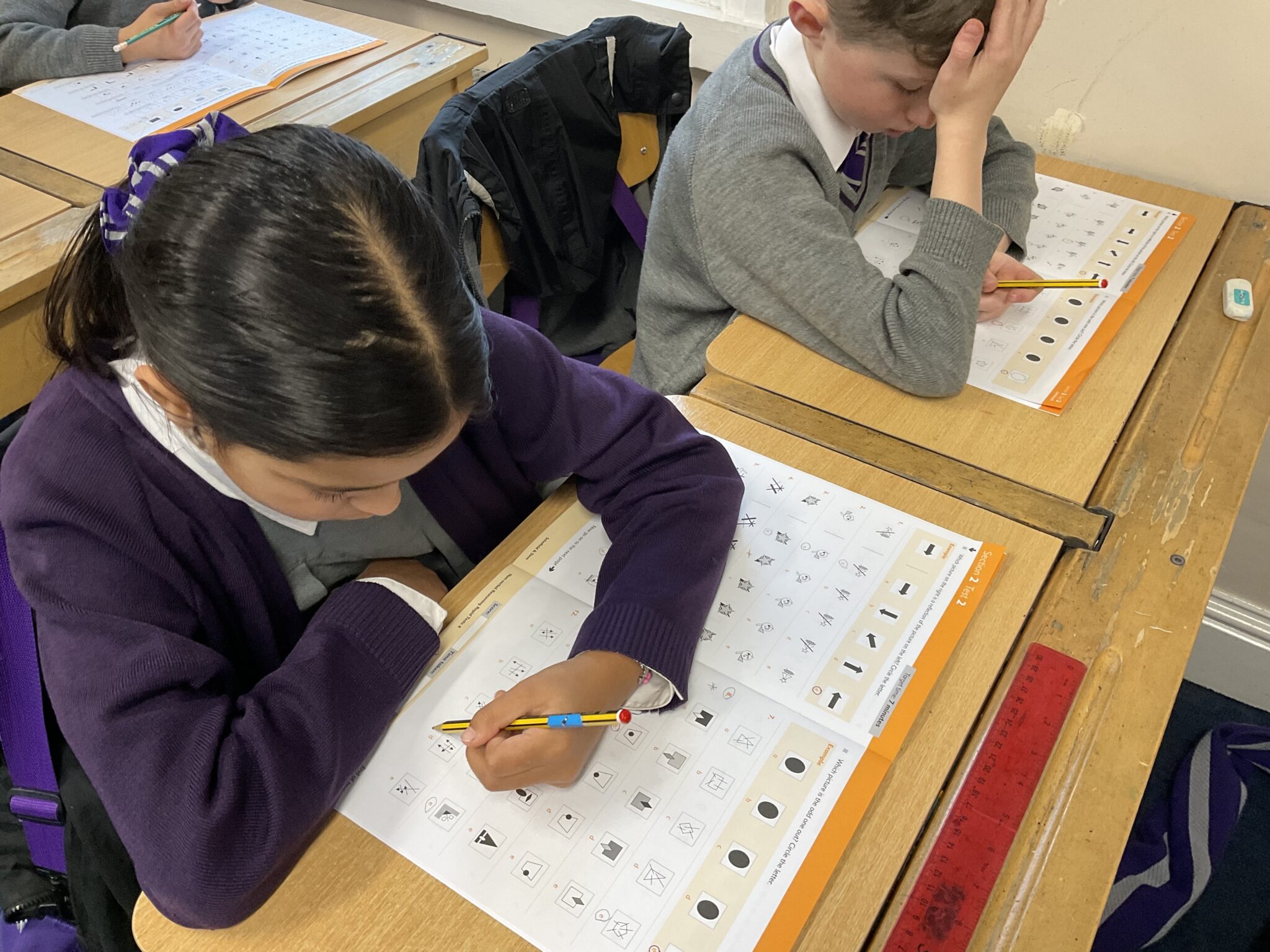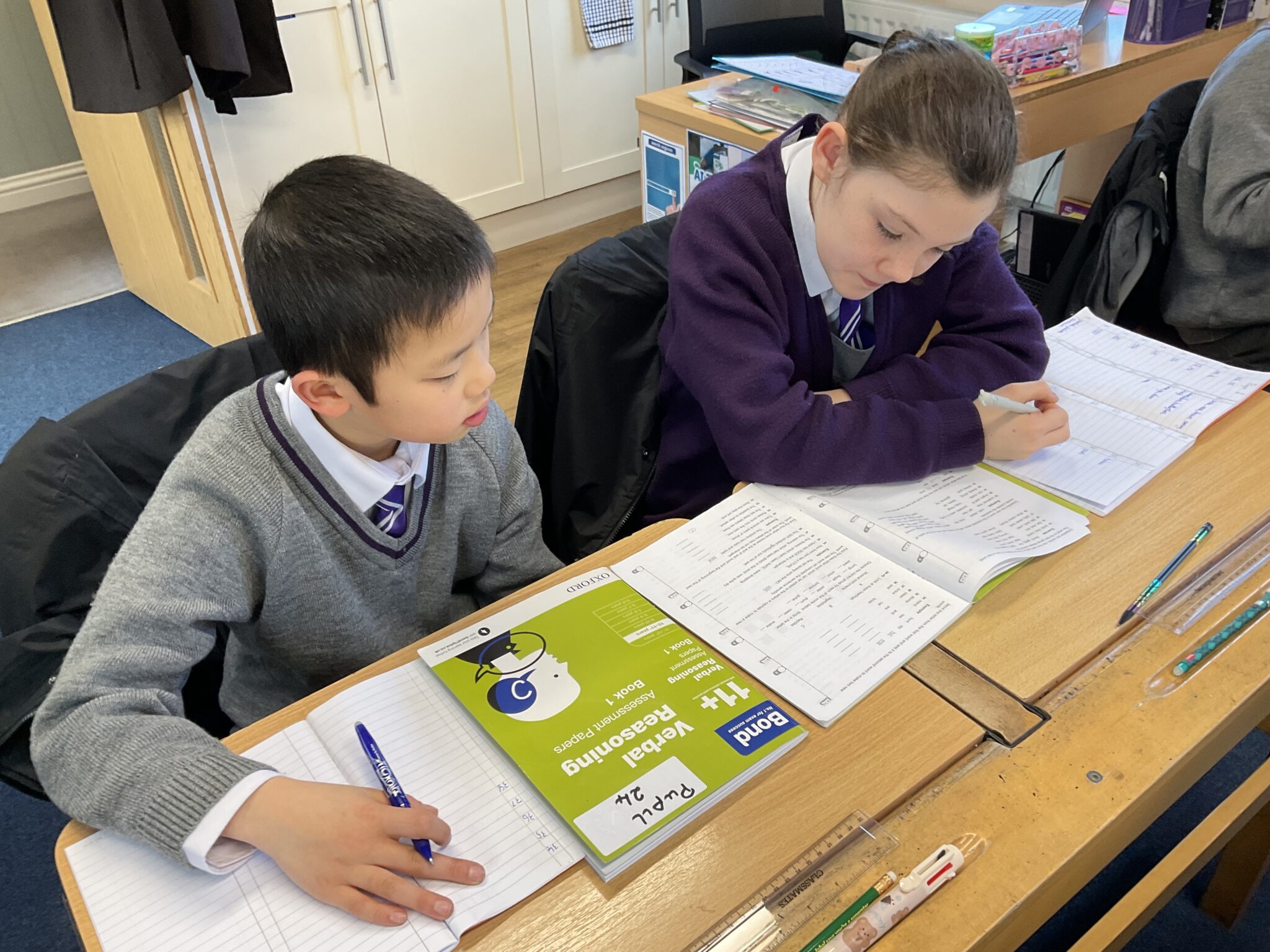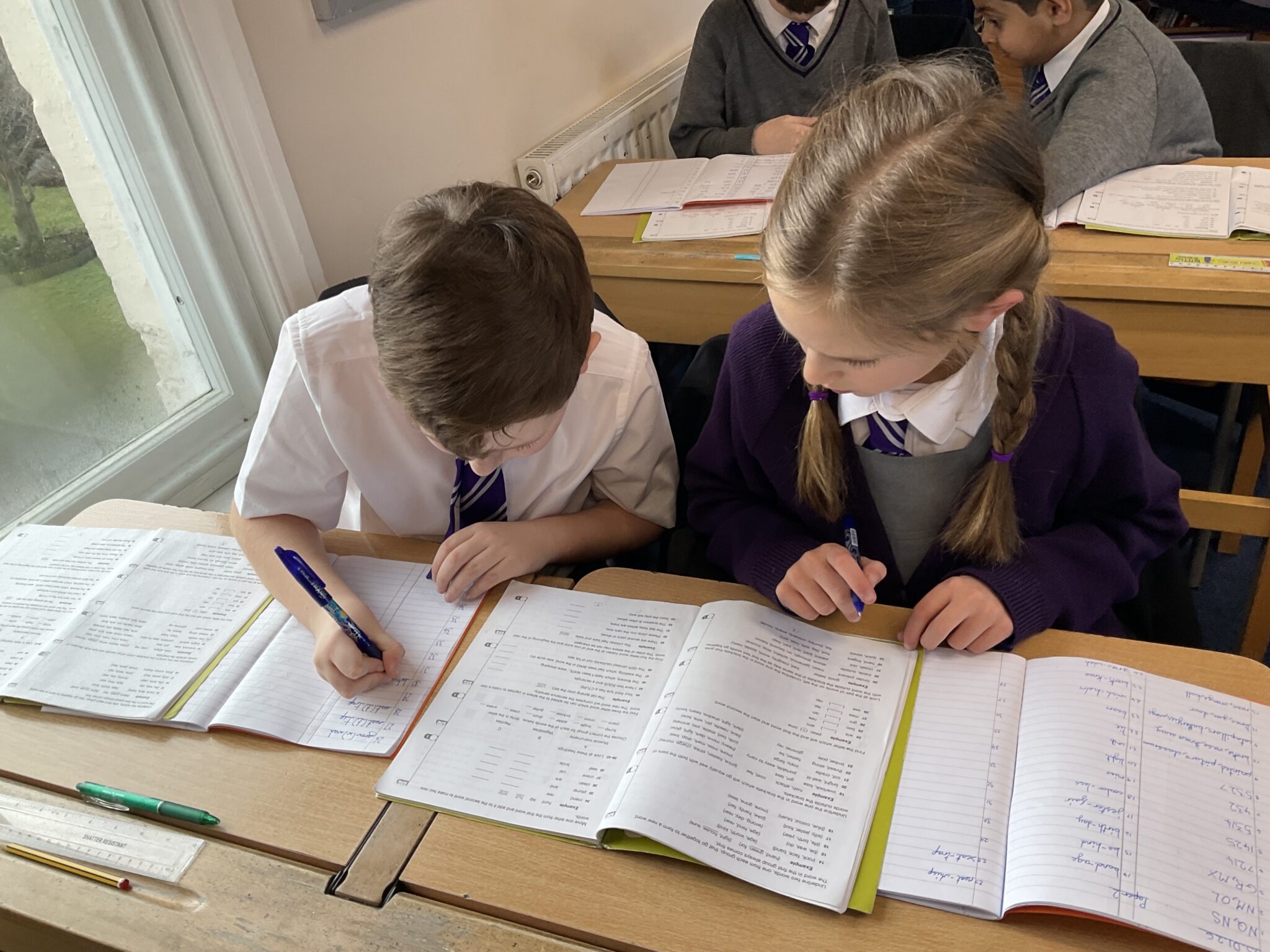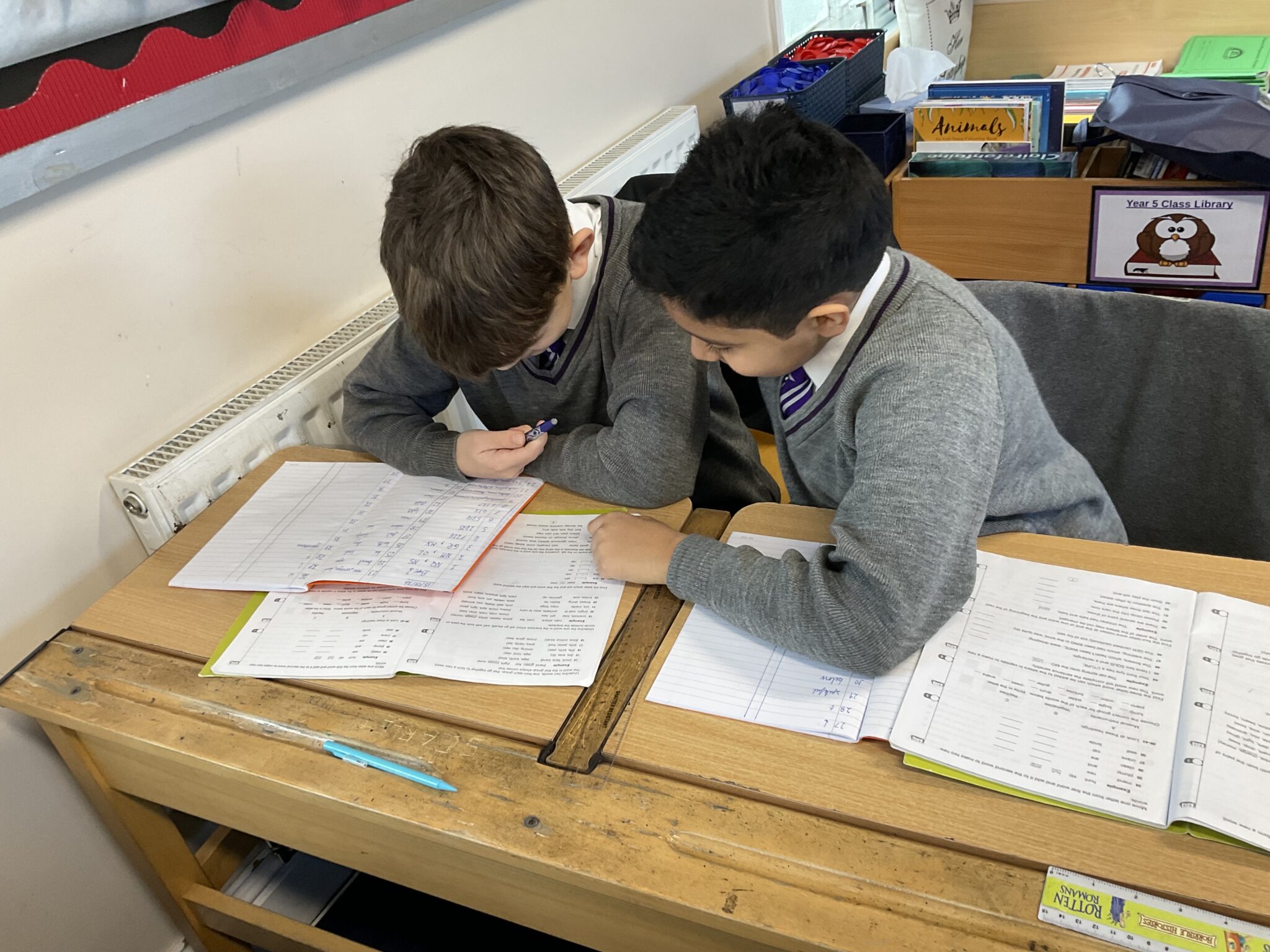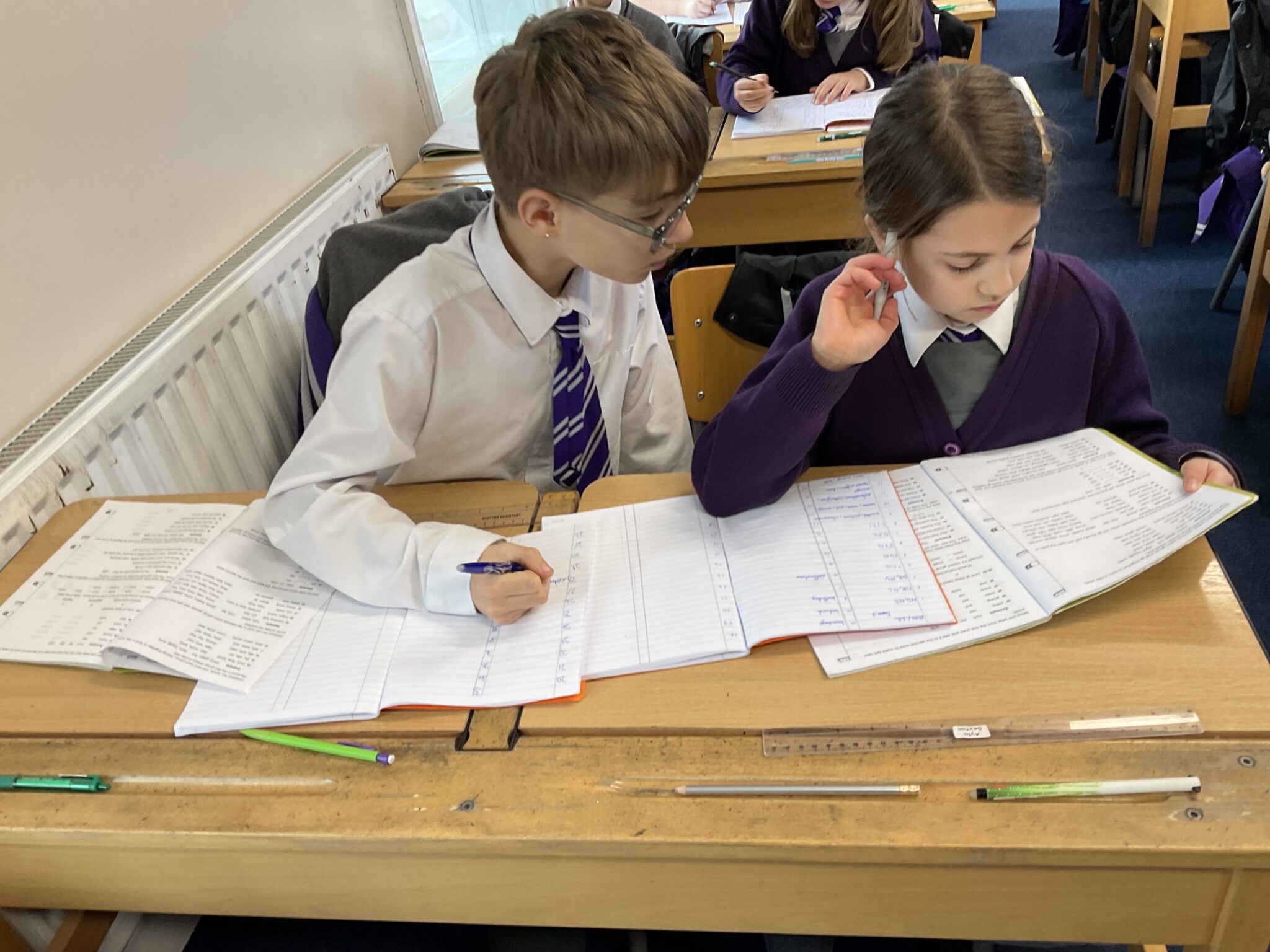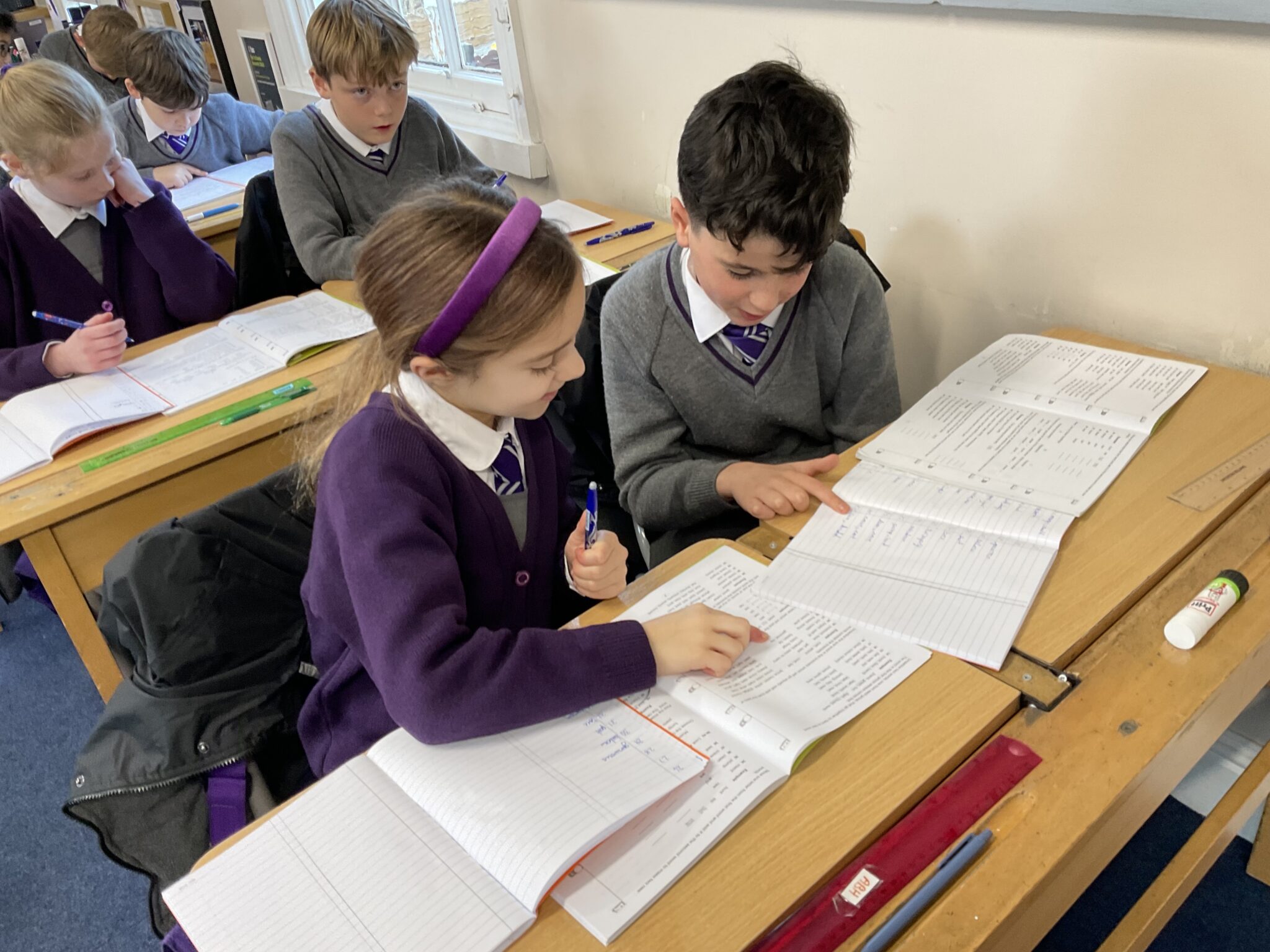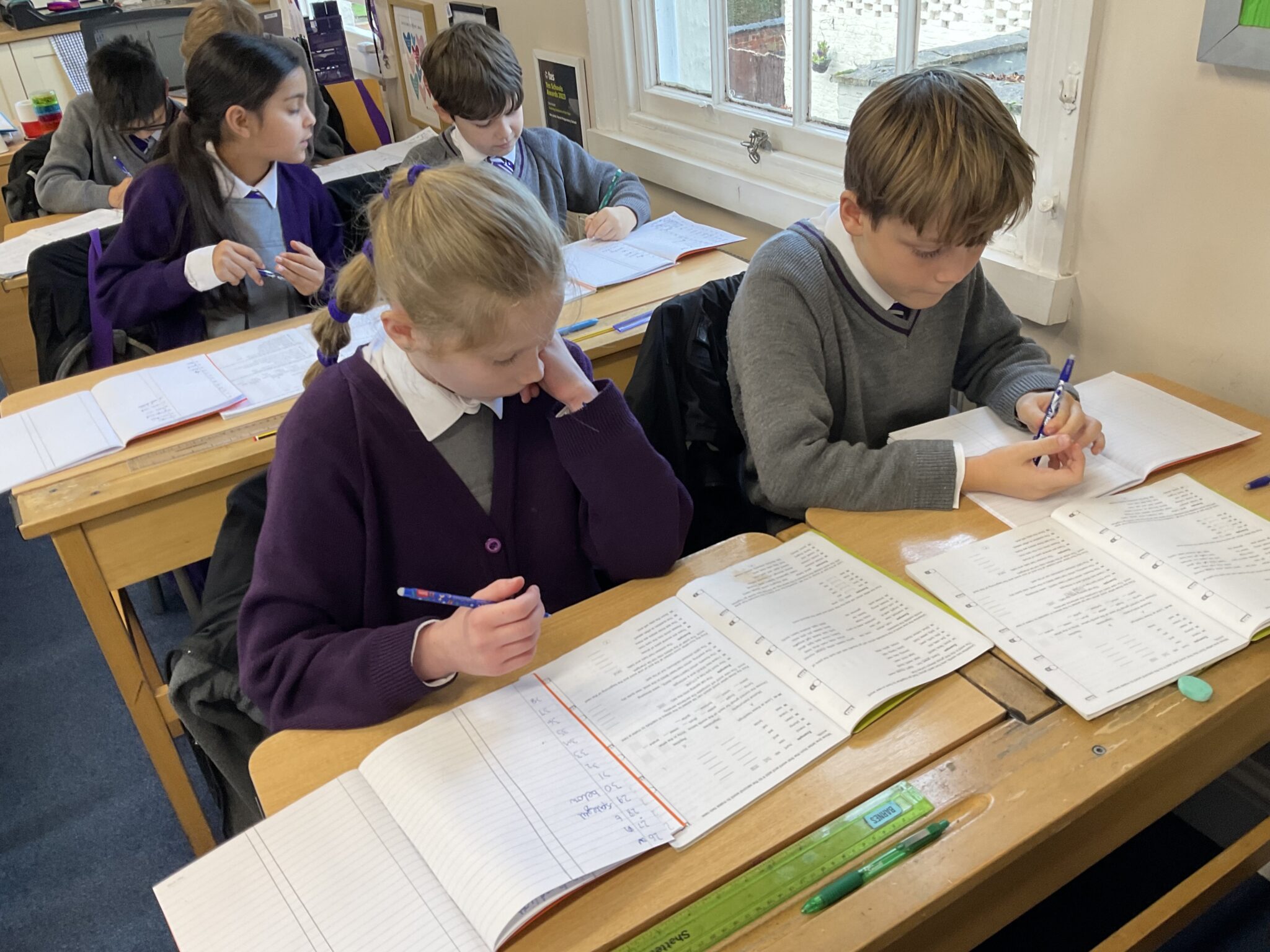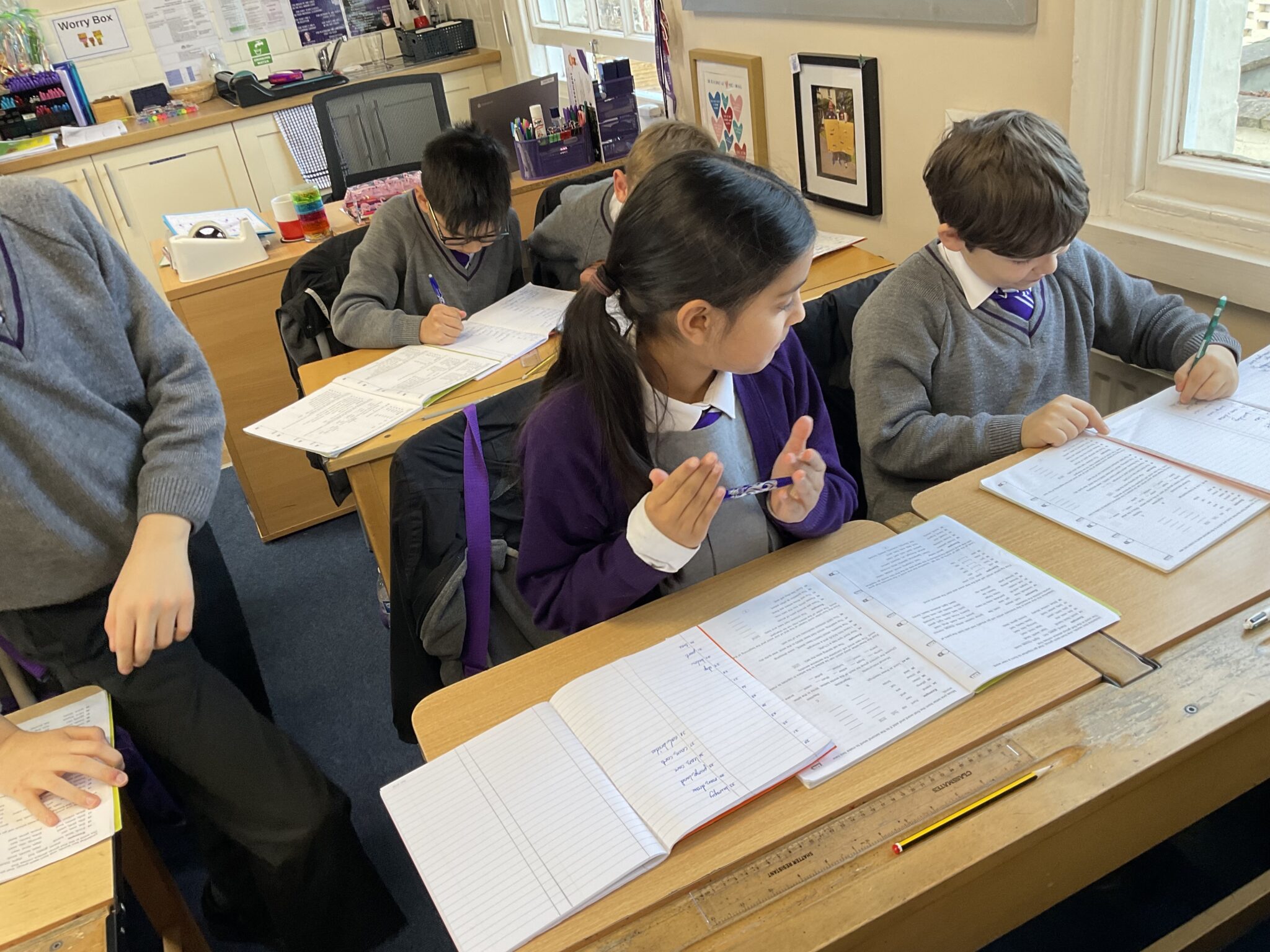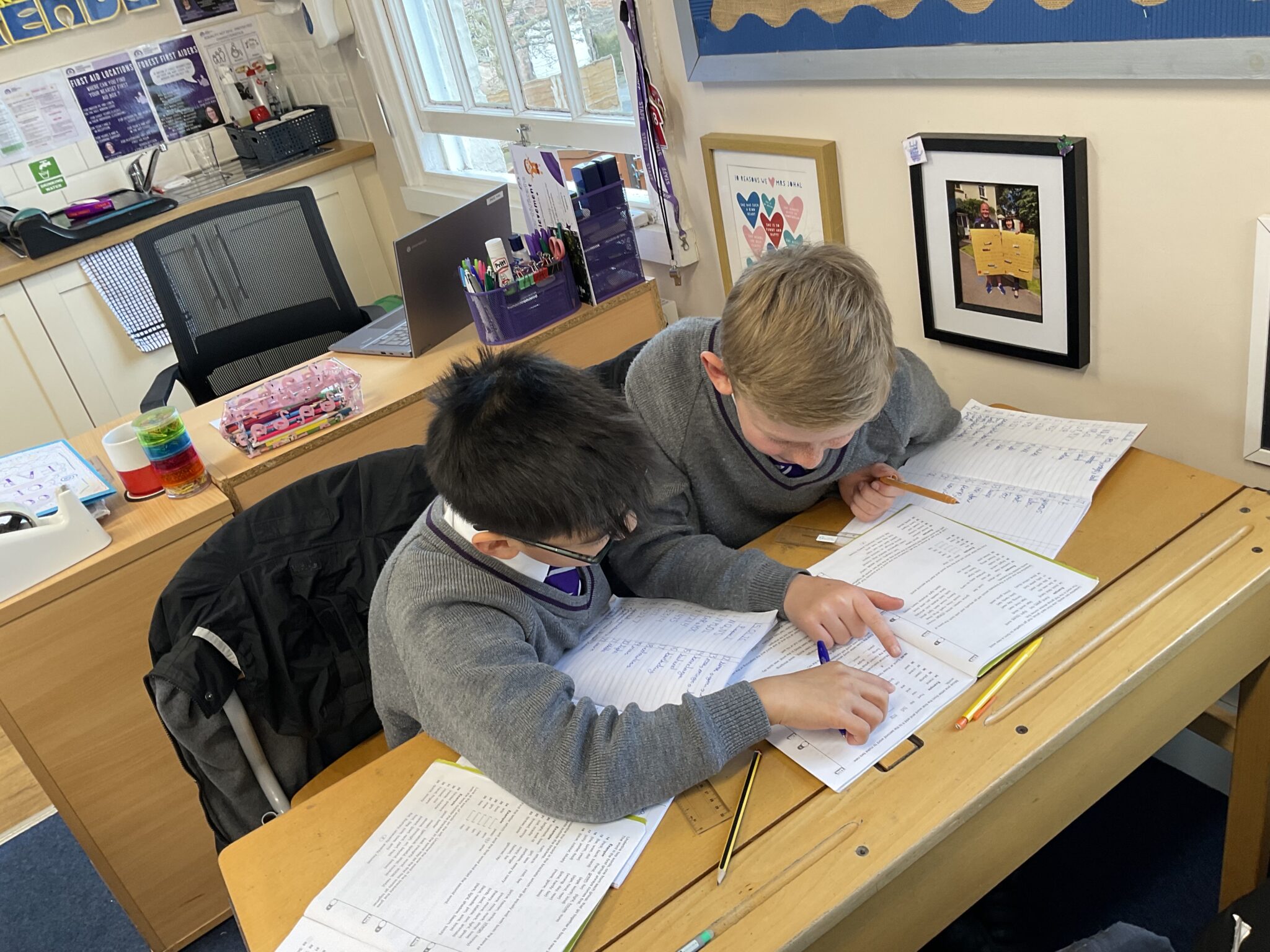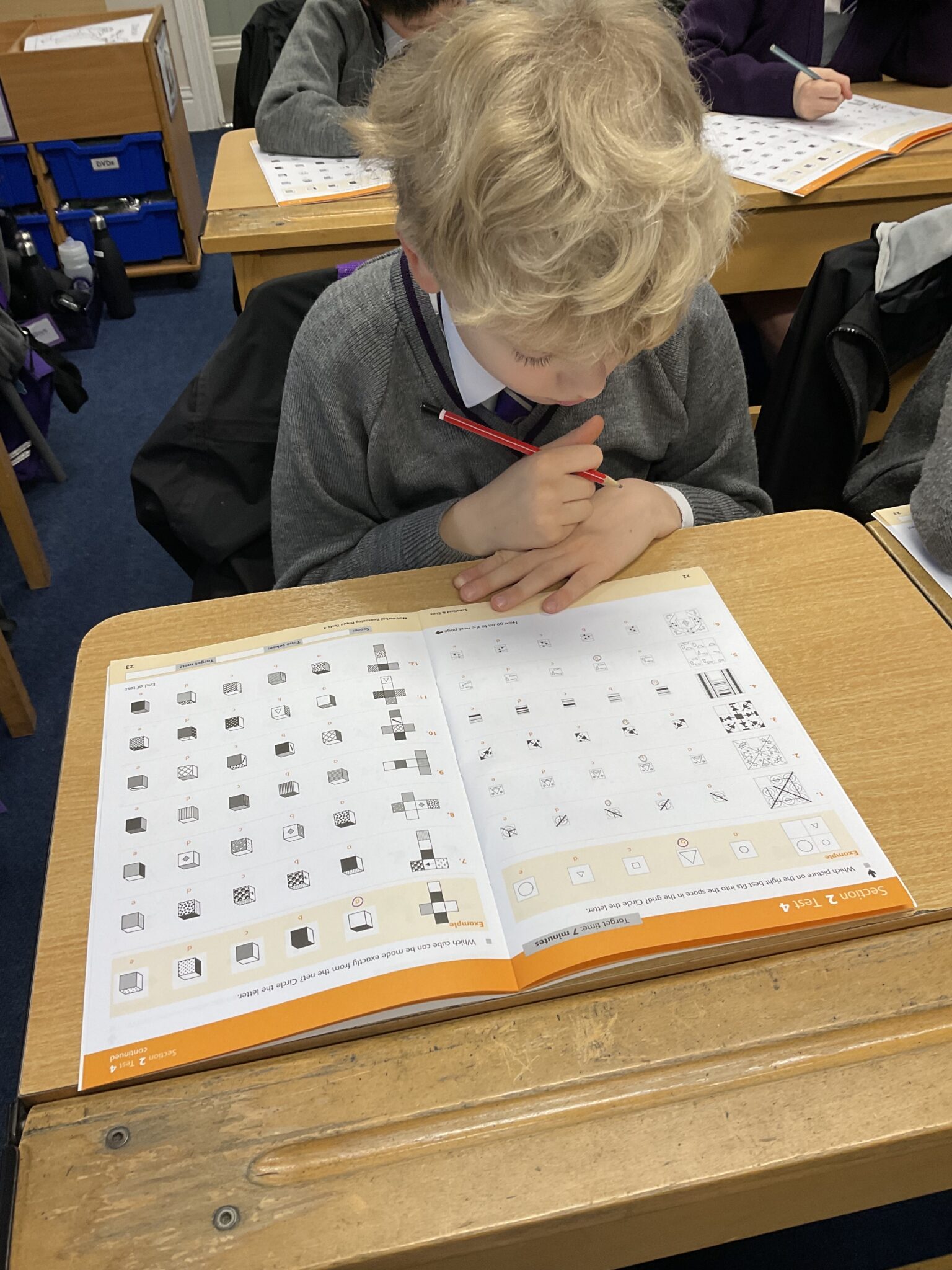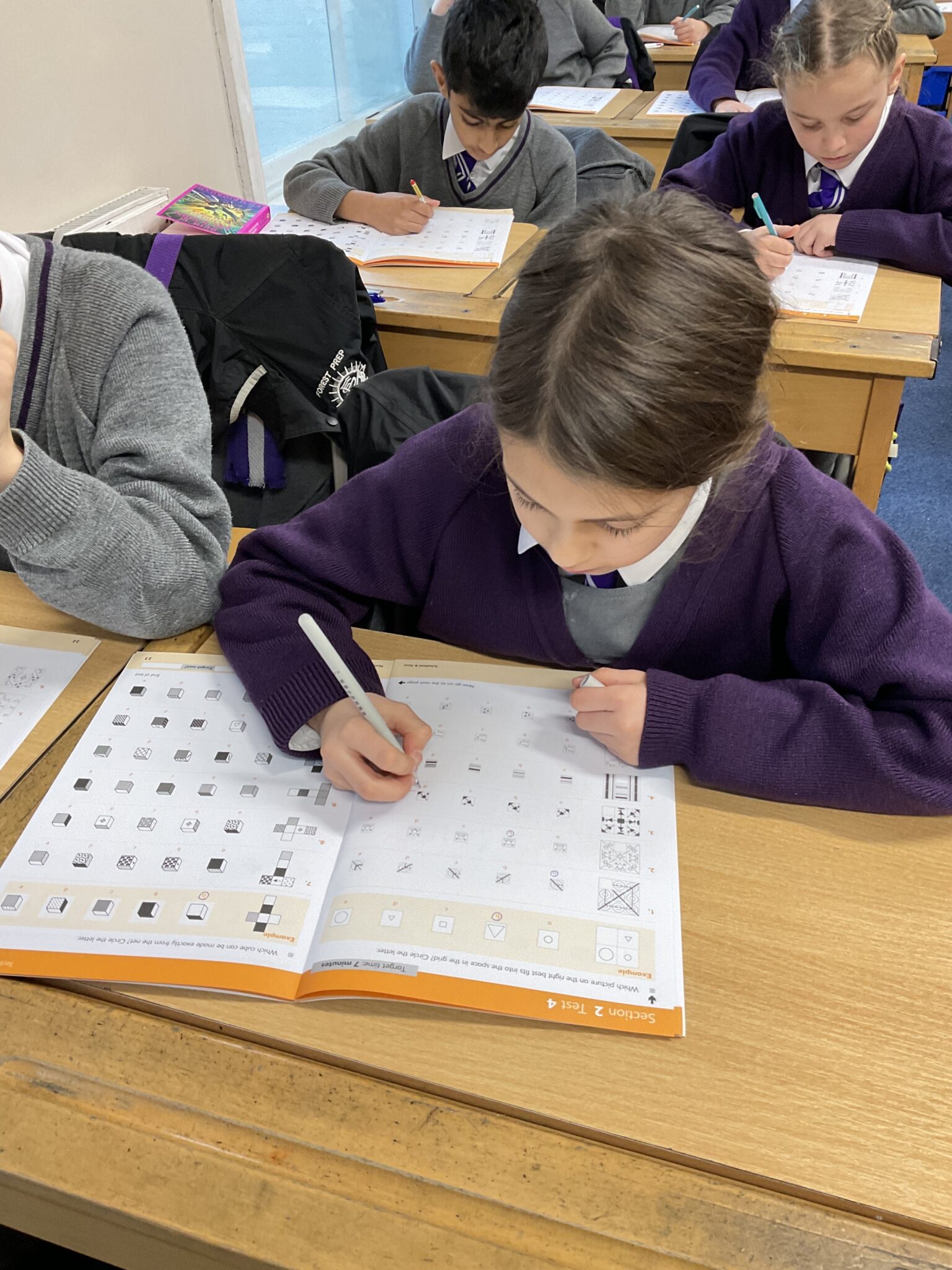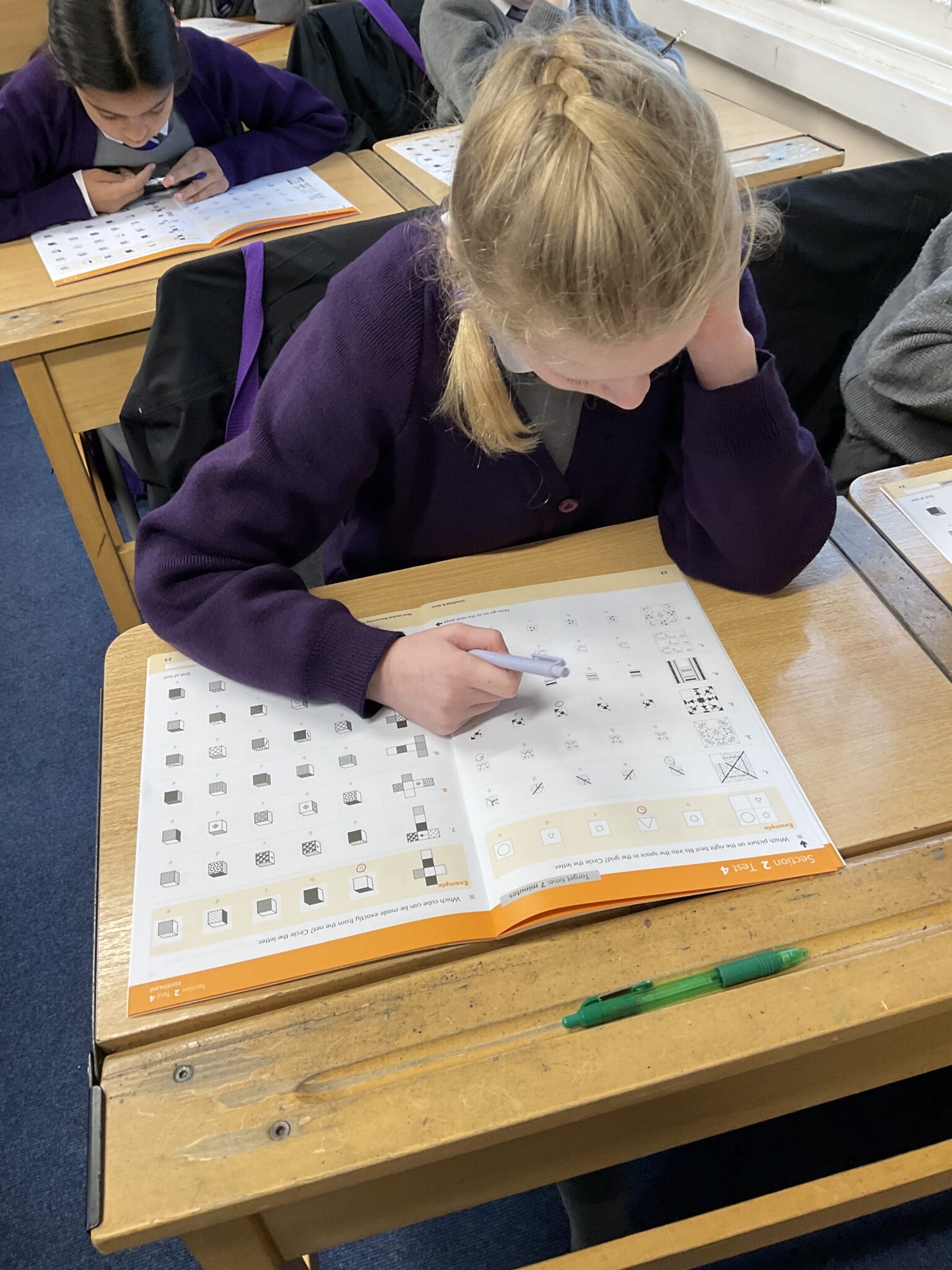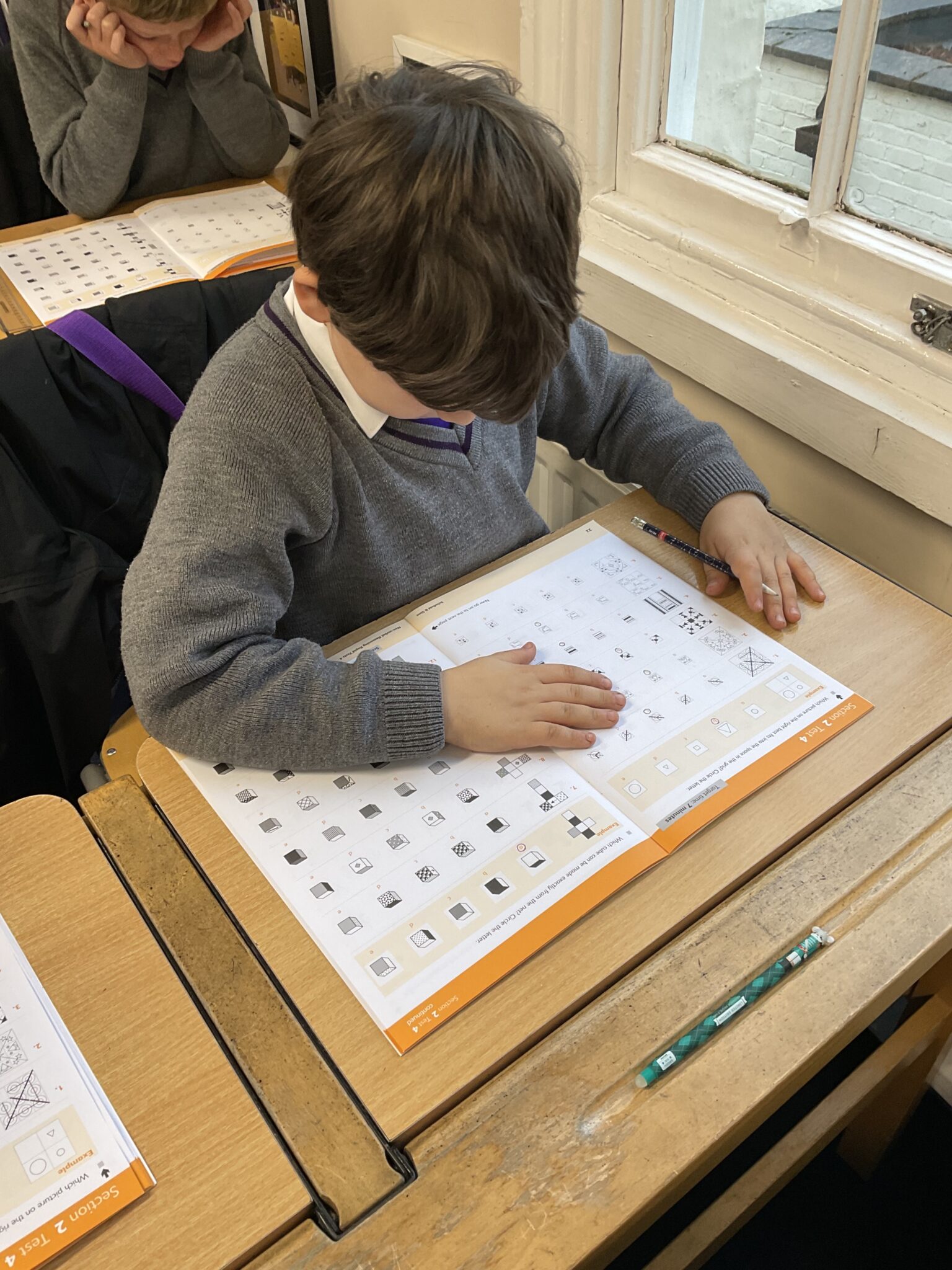
Verbal Reasoning (VR) and Non-Verbal Reasoning (NVR) are about far more than preparing children for the 11+. They are powerful subjects in their own right, developing skills that benefit children regardless of the secondary school route they take.
From Year 2 onwards, VR and NVR form part of our weekly curriculum and homework programme. This early and consistent exposure allows children to build confidence, fluency and enjoyment in reasoning-based thinking, skills they will rely on throughout their education.
Skills That Transfer Across the Curriculum
Verbal Reasoning has strong links with English, supporting:
- Vocabulary development
- Reading comprehension
- Spelling patterns
- Clear and precise thinking
Non-Verbal Reasoning closely supports Mathematics and problem-solving, helping children to:
- Recognise patterns
- Think logically and spatially
- Approach unfamiliar problems with confidence
These are not “extra” subjects, they actively strengthen learning across the curriculum and help pupils perform more strongly in all examinations, not just selective entrance tests.
Preparation for Secondary School and Beyond
VR and NVR also play a significant role in:
- 11+ examinations
- Entrance assessments for most independent schools
- CATs (Cognitive Abilities Tests) a national assessment scheme used at Forest and by the majority of secondary schools
VR and NVR make up a substantial part of CATs, meaning Forest pupils arrive at their next school already familiar with the style of thinking and questioning they will face.
Giving Every Child the Best Possible Start
This level of structured reasoning teaching is not part of the state primary curriculum, but at Forest we believe it is essential. Our aim is simple, to give every child the tools, confidence and thinking skills they need to excel, whatever their future pathway.